How modern alarm systems combine detection, monitoring and cyber resilience
a[data-rs-seo-link]{text-decoration:underline!important;color:#1a56db!important;cursor:pointer!important;}a[data-rs-seo-link]{text-decoration:underline!important;color:#1a56db!important;cursor:pointer!important;}
Alarm systems are becoming integrated risk systems
Alarm systems still start with a basic job: detect a threat and trigger a response. The difference today is how many connected systems may be involved in that response. A modern installation may combine intrusion sensors, smoke detection, carbon monoxide alerts, water leak sensors, access control, cameras, mobile apps, cloud dashboards and professional monitoring. For homes and commercial facilities, the practical question is no longer just whether an alarm sounds. It is whether the right signal reaches the right people quickly, with enough context, and without creating avoidable nuisance alarms or cyber exposure.
That makes alarm planning a risk-management task, not simply a hardware purchase. In the Alarm and Detection category, the most useful way to compare systems is to look at detection quality, code obligations, monitoring path, false alarm reduction, maintenance and cybersecurity together.
What an alarm system needs to do
An alarm system is a chain of decisions and events. A sensor detects a condition, control equipment interprets it, notification devices warn occupants, communications equipment sends the signal, and people or automated workflows decide what happens next. Weakness in any part of that chain can reduce the value of the whole system.
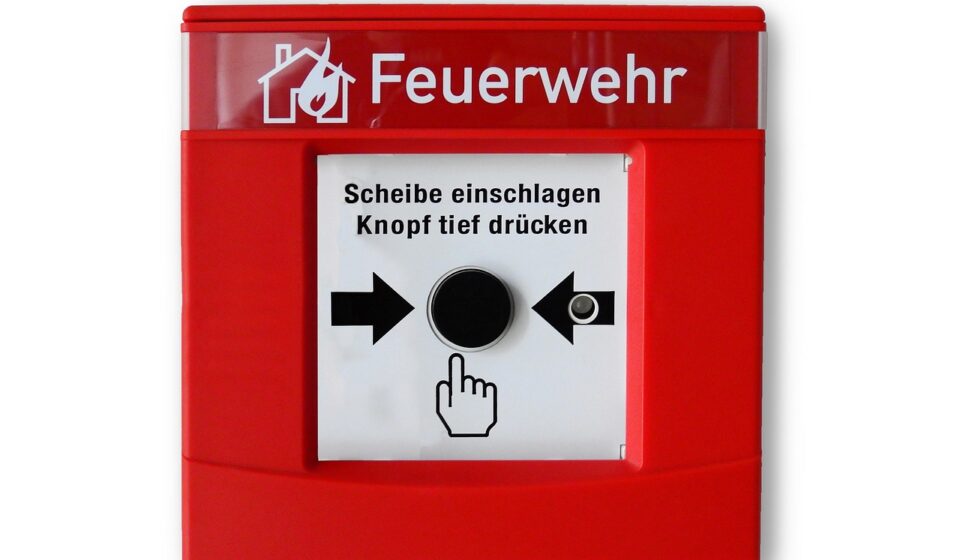
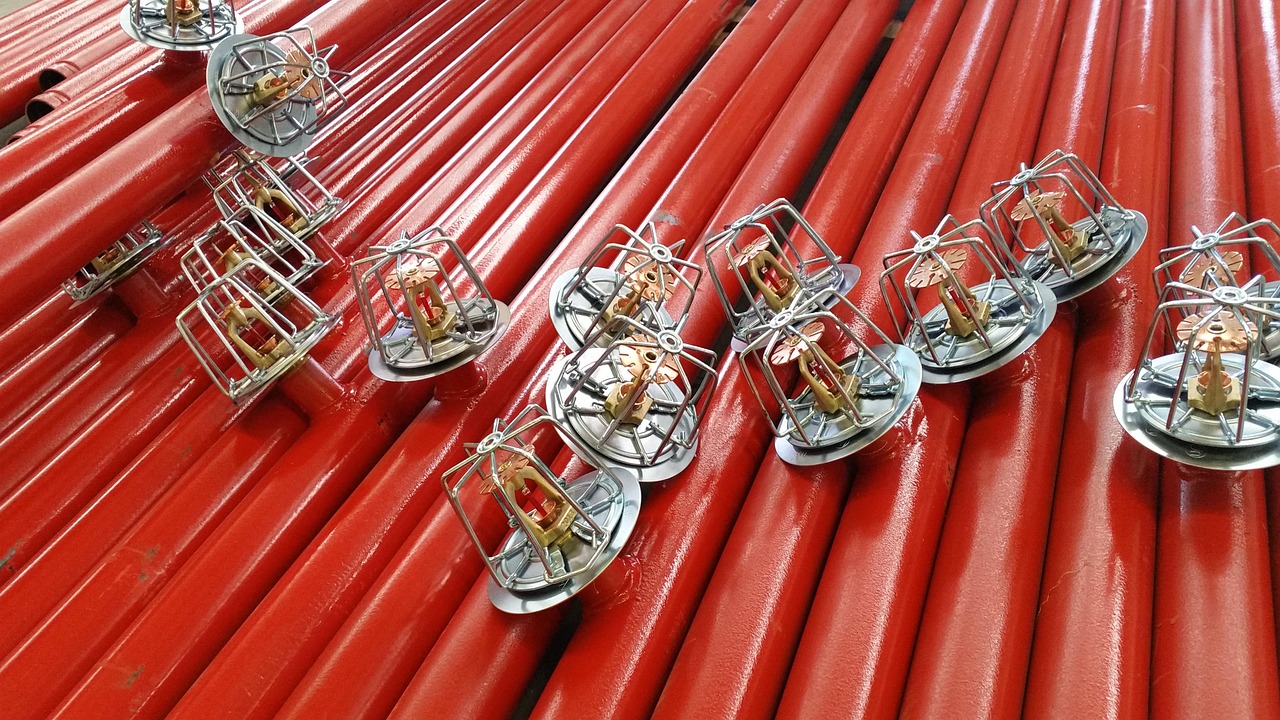
For intrusion protection, common devices include door contacts, motion detectors, glass-break sensors, panic buttons and perimeter detection. For life safety, systems may include smoke alarms, smoke detectors connected to a fire alarm panel, heat detectors, carbon monoxide detection and sprinkler supervisory devices. Environmental detection may add water leak, temperature or equipment status alerts.
The distinction between these functions matters. A burglar alarm event may require verification before police dispatch. A fire alarm signal may trigger evacuation, occupant notification and fire department response under local rules. A trouble signal may indicate that the system itself has a fault, such as a low battery, wiring problem or communications failure. A supervisory signal may show that a monitored fire protection component is in an abnormal condition. NFPA 72, the National Fire Alarm and Signaling Code, uses these kinds of signal distinctions because response priority is part of the safety design.
Standards and codes shape system design
Alarm systems are not regulated by one single rulebook. Requirements depend on the building type, occupancy, jurisdiction, insurer, monitoring arrangement and the specific technology being installed. In the United States, fire alarm work is commonly shaped by NFPA codes, adopted building and fire codes, and the authority having jurisdiction. Security alarm equipment and monitoring practices may also be affected by UL standards, local alarm ordinances and insurer requirements.
For smoke detection, public guidance from the U.S. Fire Administration and NFPA emphasizes interconnected alarms in homes so that activation in one area can alert occupants elsewhere. They also advise replacing smoke alarms after 10 years. That replacement interval is important because alarm age is easy to overlook; a device that still beeps during a button test may not provide the same detection reliability as a properly selected and maintained current unit.
UL standards also reflect how fire risks and nuisance sources have changed. UL Solutions describes updates to UL 217 for smoke alarms and UL 268 for smoke detectors that address smoldering and flaming polyurethane foam fires and cooking nuisance alarm performance. The practical takeaway is not that every older device is automatically noncompliant in every location. It is that product listing, installation location and nuisance resistance should be part of replacement planning, especially near kitchens, sleeping areas and multi-sensor environments.
For commercial security, UL 2610 covers commercial premises security alarm units and systems. This matters when facilities need documented performance, listed equipment, central station signaling or insurance-aligned installation practices. A small retail space, warehouse, bank branch, school facility and healthcare office may all use “alarm systems,” but their design assumptions can be very different.
Monitoring is as important as detection
An unmonitored local alarm may still deter an intruder or warn occupants, but monitored alarm systems add a communication layer. Signals may travel over IP, cellular, radio, managed network paths or a combination of paths. Dual-path communication is often considered when availability matters because a single failed internet connection or cellular outage can prevent a signal from reaching the monitoring center.
Monitoring design should answer several practical questions:
- Which signals are monitored: intrusion, fire, supervisory, trouble, panic, environmental or all of them?
- Who receives the signal first: a central station, on-site staff, property manager, homeowner or emergency service?
- How are alarms verified before dispatch where verification is allowed or required?
- What happens if the primary communication path fails?
- How are after-hours contacts updated when staff, tenants or vendors change?
Verification is especially important for security alarms. Industry groups such as the Security Industry Alarm Coalition and the False Alarm Reduction Association have long focused on reducing unnecessary dispatches through better ordinances, user training, enhanced call verification and alarm management practices. False alarms can create costs for property owners, reduce confidence in the system and consume public safety resources. A system that produces frequent avoidable alarms is not just inconvenient; it may become less trusted by the people who need to respond.
False alarm reduction starts before installation
False alarms are often discussed as a user problem, but many start with design and process choices. A motion detector aimed at a heat source, a door contact installed on a loose frame, an entry delay that does not match real occupant behavior or poorly trained users can all create recurring activations. The better approach is to reduce nuisance conditions during system design rather than treat every false alarm as an isolated mistake.
Good planning includes matching sensors to the environment. A warehouse with high ceilings, dust, forklifts and loading doors needs different detection choices than a residence, office suite or retail storefront. Pet movement, HVAC airflow, sunlight, vibration, cooking aerosols and after-hours cleaning routines can all affect device selection and placement.
User experience also matters. If arming and disarming is confusing, false alarms rise. If notification rules are unclear, staff may ignore alerts. If contacts are outdated, a monitoring center may not reach the right person before dispatch procedures move forward. The system should make correct behavior easy through clear keypad prompts, role-based app permissions, practical schedules, tested entry paths and documented procedures for new employees or household members.
Maintenance is the third pillar. Batteries, sensors, notification appliances, backup power, network connections and monitoring accounts all need periodic review. Fire alarm inspection and testing schedules may be code-driven for commercial properties. Residential systems also need routine checks, especially after renovations, Wi-Fi changes, battery replacements or changes in occupancy.
Cybersecurity is now part of alarm reliability
Connected alarm systems create convenience, but they also introduce cyber and privacy questions. Mobile control, cloud video, remote diagnostics and app-based notifications depend on accounts, networks, firmware and vendor services. If those layers are weak, the risk is not limited to data privacy; it can affect system availability and trust. See also: Access Control.
NIST’s consumer IoT baseline work, including NIST IR 8425, identifies capabilities such as device identification, data protection, interface access control, secure software updates and cybersecurity state awareness. Those ideas apply directly to connected alarm products, smart cameras, sensors and gateways. A secure device should not rely on universal default passwords, should support software updates, and should give users a practical way to manage access.
CISA’s guidance on reducing internet exposure is also relevant. Alarm panels, camera systems, remote access tools and building control interfaces should not be casually exposed to the public internet. Remote access should use secure methods, strong authentication and least-privilege permissions. For small businesses, this often means reviewing router settings, disabling unused port forwarding, separating guest Wi-Fi from security devices and promptly removing old user accounts.
The Federal Communications Commission adopted a voluntary U.S. Cyber Trust Mark framework in 2024 for connected consumer IoT products. The program is not a substitute for professional system design or local code compliance, but it reflects a broader trend: cybersecurity claims for connected devices are moving toward clearer criteria rather than vague marketing language. Buyers should still ask practical questions about update support, data storage, app permissions, account recovery and what happens if a cloud service is discontinued.
How to evaluate an alarm system before upgrading
The strongest alarm system is not always the one with the most devices. It is the one that fits the risk, the building, the response plan and the people who will use it. The following table summarizes the main evaluation areas.
| Evaluation area | Questions to ask | Why it matters |
|---|---|---|
| Risk profile | What threats are most likely: intrusion, fire, CO, water, equipment failure or personal safety? | Device selection should follow actual risk, not a generic package. |
| Code and insurance | Are fire alarm, monitoring, inspection or documentation requirements involved? | Life-safety systems may require approved equipment, permits and professional testing. |
| Sensor placement | Are devices matched to doors, rooms, airflow, pets, dust, cooking areas and traffic patterns? | Good placement improves detection while reducing nuisance alarms. |
| Monitoring path | Is communication IP, cellular, radio or dual path? What happens during outage conditions? | A detected event has limited value if the signal cannot get through. |
| User management | Can roles, schedules, temporary access and notifications be managed clearly? | Confusing access control leads to errors and avoidable activations. |
| Cybersecurity | Are updates supported? Are passwords unique? Is remote access secured? | Connected systems need account and network protection. |
| Maintenance | Who tests devices, replaces batteries, updates contacts and reviews trouble signals? | Reliability depends on upkeep after installation. |
For residential users, the upgrade path often begins with smoke and CO alarm age, interconnection, entry point coverage and app security. For commercial users, the first step is usually a documented risk review that separates life-safety requirements from security preferences. Combining them on one dashboard may be useful, but fire alarm functions, inspection responsibilities and emergency response procedures should not be blurred.
Where the industry is heading
The alarm industry is moving toward systems that combine more context with faster decision-making. Video verification, analytics, mobile credentials, environmental sensing and integrated dashboards can make alarms more useful when they are deployed carefully. At the same time, more connectivity means more dependence on software, cloud services and identity management.
That creates a balanced lesson for buyers and facility managers. New features can improve awareness, but they do not replace the fundamentals: listed equipment where required, correct installation, clear response procedures, false alarm management, secure communications and regular maintenance. A basic system that is well designed and maintained may outperform a feature-heavy system that users do not understand or administrators do not manage.
The most practical upgrade strategy is incremental. Start with life-safety obligations and known failure points. Replace expired smoke alarms, correct repeated false alarm causes, review monitoring contacts, secure remote access, and document who owns each part of the response. Then add integration where it improves decisions rather than complexity.
Frequently asked questions
What is the difference between a burglar alarm and a fire alarm?
A burglar alarm is designed to detect unauthorized entry or personal security events. A fire alarm system is designed around life safety, occupant notification and fire response. Fire alarm systems are usually more tightly governed by adopted codes, inspection requirements and local authority approval.
Are wired alarm systems better than wireless systems?
Neither is automatically better. Wired systems can offer stable power and communication paths, especially in commercial buildings. Wireless systems can reduce installation disruption and work well where wiring is impractical. The right choice depends on construction, reliability needs, battery maintenance, signal range and code requirements.
Do alarm systems need professional monitoring?
Not always. A local or self-monitored system may be suitable for some low-risk situations. Professional monitoring is more important when emergency response, after-hours coverage, fire signaling, insurance requirements or documented dispatch procedures are involved.
How can false alarms be reduced?
False alarm reduction usually requires better sensor placement, user training, updated contact lists, appropriate verification procedures and routine maintenance. Repeated alarms should be investigated as system problems, not treated as normal operating noise.
Why does cybersecurity matter for alarm systems?
Many alarm systems now use apps, cloud platforms, wireless devices and remote access. Weak passwords, unsupported firmware, exposed services or unmanaged user accounts can affect privacy and system availability. Cybersecurity should be part of system selection and ongoing administration.