Car maintenance checklist for safer driving and fewer breakdowns
a[data-rs-seo-link]{text-decoration:underline!important;color:#1a56db!important;cursor:pointer!important;}a[data-rs-seo-link]{text-decoration:underline!important;color:#1a56db!important;cursor:pointer!important;}
A practical maintenance system for everyday drivers
Good car maintenance is more than a way to avoid repair bills. It is a safety routine that keeps tires, brakes, lights, fluids, batteries, and recall repairs from being left until failure. The most reliable system is straightforward: use the manufacturer’s maintenance schedule as the baseline, add monthly visual checks, verify safety items before long trips, and keep records of inspections, repairs, and fluid services.
Government consumer guidance from NHTSA, the FTC, and FuelEconomy.gov supports the same approach: check tires regularly, follow the owner’s manual instead of a generic shop schedule, and document maintenance so warranty or service-contract questions are easier to resolve.
This checklist applies to gasoline, hybrid, and electric vehicles, with notes where priorities change. For related upkeep topics, see the Maintenance and Testing section.
Start with the owner’s manual, not a universal mileage rule
There is no single maintenance interval that fits every vehicle. A compact commuter car, a pickup used for towing, a hybrid driven in city traffic, and an electric vehicle with regenerative braking can all need different inspections at different times. The owner’s manual is the controlling document because it is written for the exact engine, drivetrain, fluids, filters, and electronic systems in that model.
The FTC’s auto repair guidance advises consumers to follow the manufacturer’s maintenance schedule in the owner’s manual and to ask repair shops to explain any service recommended more often than the manufacturer requires. That does not mean a shop is wrong. It means the driver should understand whether the recommendation is based on the vehicle’s service schedule, a measured defect, local driving conditions, or a sales package.
Most manuals also separate normal service from severe service. Severe service can include repeated short trips, dusty roads, towing, heavy loads, extended idling, stop-and-go traffic, very hot weather, or very cold weather. If your driving pattern matches those conditions, the shorter interval in the manual may be the safer choice.
Monthly safety checks that prevent small problems from becoming road risks
A monthly inspection does not replace professional service, but it can catch problems while they are still visible, measurable, or easy to correct. The goal is not to diagnose every fault at home. It is to notice pressure loss, worn rubber, fluid leaks, weak lights, or warning indicators before they affect vehicle control.
| Item to check | Practical timing | What to look for | Why it matters |
|---|---|---|---|
| Tire pressure | At least monthly and before long trips | Cold pressure compared with the driver-door placard or owner’s manual | Incorrect pressure affects handling, tire life, and fuel economy |
| Tire condition | Monthly | Uneven wear, bulges, cuts, exposed cords, objects in tread, vibration | Damage or irregular wear can point to alignment, suspension, or inflation problems |
| Exterior lights | Monthly and before night driving | Headlights, brake lights, turn signals, hazards, reverse lights | Lights help other drivers judge your position and intentions |
| Wipers and washer fluid | Monthly and before bad weather | Streaking, cracking, skipping, low washer fluid | Visibility can deteriorate quickly in rain, snow, mud, or road spray |
| Fluid leaks | Monthly visual check | New spots under the vehicle, oily residue, coolant smell, brake-fluid warning | Leaks can lead to overheating, braking, steering, or lubrication failures |
| Dashboard warnings | Every drive | Brake, oil pressure, coolant temperature, battery, TPMS, check-engine warnings | Some warnings require immediate action, not delayed maintenance |
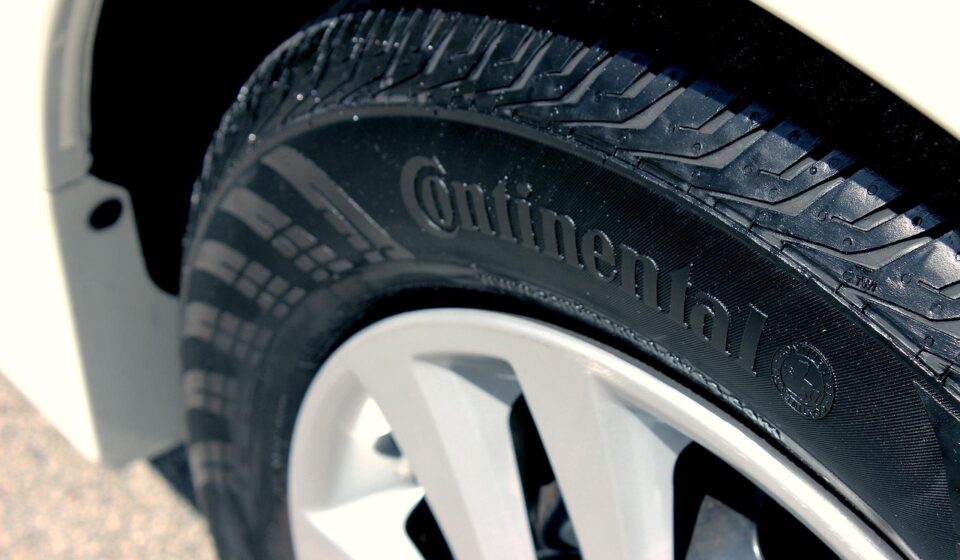
NHTSA’s tire safety guidance is specific on pressure checks: measure tire pressure when the tires are cold, and use the vehicle manufacturer’s number on the tire and loading label or in the owner’s manual. Do not use the maximum pressure molded into the tire sidewall as the target. Tire pressure monitoring systems are useful, but NHTSA notes that they are not a substitute for regular pressure checks because they normally warn only after pressure is significantly low.
Tires, brakes, and steering deserve first priority
If a maintenance budget is limited, start with the systems that keep the vehicle under control: tires, brakes, steering, and suspension. These systems determine how the vehicle accelerates, turns, stops, and responds in an emergency.
Tire pressure and tread
Underinflated tires build heat, wear faster, and can reduce fuel economy. FuelEconomy.gov reports that keeping tires properly inflated can improve gas mileage by about 0.6 percent on average and up to 3 percent in some cases. It also says underinflated tires can reduce gas mileage by about 0.2 percent for every 1 psi drop in the average pressure of all four tires. Those figures are not a guarantee for every vehicle, but they show why tire pressure is both a safety and cost-control habit.
Tread depth matters because tires need grooves to move water away from the contact patch. Check tread wear bars, look for uneven shoulder wear, and have persistent vibration inspected. A tire that repeatedly loses pressure may have a puncture, valve issue, rim leak, or bead problem that needs repair.
Brakes and stopping behavior
Brake maintenance should be based on inspection results and symptoms, not calendar time alone. Warning signs include grinding, squealing that does not go away, a brake pedal that feels soft or sinks, vibration while braking, pulling to one side, a burning smell after normal driving, or a brake warning light. Any of these signs should move the vehicle from routine maintenance to prompt diagnosis.
Hybrid and electric vehicles can use regenerative braking, which may reduce some friction-brake wear, but it does not eliminate brake maintenance. Brake fluid, calipers, pads, rotors, parking brake mechanisms, and electronic brake controls still need inspection according to the manufacturer’s schedule.
Steering, suspension, and alignment
Steering pull, uneven tire wear, clunks over bumps, wandering at highway speed, or a steering wheel that is off-center can signal alignment or suspension issues. Correcting these problems can protect tires and improve control. Because suspension work affects safety, it should be inspected by a qualified technician when symptoms appear.
Fluids, filters, belts, and batteries need scheduled attention
Fluid and filter maintenance is where the owner’s manual becomes especially important. Modern vehicles use specific oil grades, coolant types, transmission fluids, brake fluids, and service procedures. Using the wrong product can cause performance problems and, in some cases, damage components.
FuelEconomy.gov says using the manufacturer’s recommended motor oil grade can improve fuel economy by 1 to 2 percent compared with the wrong grade. It also notes that replacing a clogged air filter on many modern fuel-injected gasoline vehicles may improve performance, although it does not usually improve fuel economy the way it could on older carbureted vehicles. The practical takeaway is to replace filters because airflow, cabin comfort, and component protection matter, while avoiding unsupported claims about savings.
- Engine oil: Follow the oil-life monitor or manual interval, and use the specified viscosity and standard.
- Coolant: Keep the system at the correct level and mixture, and investigate overheating or coolant smell promptly.
- Brake fluid: Replace according to the manual or when testing shows moisture or contamination beyond acceptable limits.
- Transmission fluid: Follow the manufacturer procedure. Some vehicles require specific fluid temperature checks or sealed-system service.
- Power steering fluid: Check if the vehicle uses hydraulic steering. Many newer vehicles use electric power steering.
- Washer fluid: Keep it full and use freeze-protected fluid where winter temperatures require it.
Batteries also need seasonal attention. Heat can shorten battery life, and cold weather can expose a weak battery because engines require more starting power. A load test before extreme weather is often more useful than waiting for a no-start situation. For electric vehicles and hybrids, the high-voltage battery system is not a do-it-yourself service area; follow manufacturer procedures and rely on qualified technicians. See also: Access Control.
Build a seasonal and trip-ready checklist
Seasonal checks help match maintenance to real driving risk. Before summer, focus on cooling, tires, air conditioning, battery condition, and emergency supplies. Before winter, focus on tires, wipers, washer fluid, lights, battery strength, defrosters, and the condition of rubber seals and belts.
Before a long trip, complete a shorter version of the same inspection. Check tire pressure when cold, confirm the spare or inflator kit is usable, test lights, top off washer fluid, look for visible leaks, verify oil and coolant levels if the manual allows owner checks, and make sure the jack, lug wrench, charging cable, or roadside kit is present. NHTSA’s road-trip safety guidance emphasizes tires, lights, wipers, recalls, and emergency equipment because these items can turn a minor inconvenience into a roadside hazard.
For vehicles used by multiple drivers, keep the checklist visible. A shared vehicle is more likely to have unnoticed warning lights, slow tire leaks, missing registration documents, or depleted emergency supplies. A simple monthly sign-off can prevent assumptions that someone else already checked the basics.
Do not ignore recalls and service records
Maintenance is not only about wear items. Safety recalls can involve airbags, brakes, steering, fuel systems, software, seat belts, tires, or electrical components. NHTSA advises owners to check for recalls twice a year and provides vehicle-specific recall lookup by VIN or license plate. Recall remedies are handled through manufacturers and dealers, and they should not be treated as optional maintenance when a safety issue is open.
Keep records for oil changes, tire rotations, brake work, inspections, fluid services, filters, batteries, recalls, and major repairs. The FTC explains that a dealer generally cannot deny warranty coverage simply because routine maintenance or repairs were performed by someone other than the dealer. However, if improper work or a defective part causes damage, the manufacturer or dealer may deny coverage for that damage. Records help show that maintenance was performed and that the correct parts or fluids were used.
A good record includes the date, mileage, service performed, parts and fluid specifications, receipts, and the name of the shop or technician. Photos of dashboard warnings, tire wear, or fluid leaks can also help when a problem is intermittent.
How to decide what needs immediate service
Not every maintenance item has the same urgency. A dirty cabin filter can usually wait for a scheduled visit. A red oil-pressure light, overheating warning, grinding brakes, strong fuel smell, or rapid tire-pressure loss should not wait. Use the following priority system when deciding whether to keep driving, schedule service, or stop.
- Stop driving if safe to do so: Oil pressure warning, overheating, brake failure symptoms, smoke, strong fuel odor, tire blowout, or severe steering loss.
- Schedule prompt diagnosis: Check-engine light flashing, persistent brake noise, repeated TPMS warning, coolant loss, vibration, pulling, hard starting, or battery warning.
- Plan routine service: Oil-change interval approaching, rotation due, aging wipers, scheduled filter replacement, inspection due, or minor cosmetic wear.
This triage keeps the focus on safety rather than treating all reminders equally. It also helps drivers avoid two common mistakes: delaying urgent symptoms because the vehicle still moves, or approving nonurgent work without understanding why it is needed now.
Frequently asked questions
How often should I do basic car maintenance checks?
Do a quick visual and tire-pressure check monthly, before long trips, and before severe weather. Follow the owner’s manual for mileage-based service such as oil, filters, spark plugs, coolant, brake fluid, and transmission service.
Should I follow the shop’s maintenance schedule or the manufacturer’s schedule?
Use the manufacturer’s schedule as the baseline. If a shop recommends more frequent service, ask whether the recommendation is based on severe driving conditions, an inspection result, a fluid test, or a generic service menu.
Does using an independent mechanic void my warranty?
FTC consumer guidance says a dealer cannot deny warranty coverage simply because routine maintenance or repairs were performed somewhere else. Keep receipts and service records, and use parts and fluids that meet the manufacturer’s specifications.
Is tire pressure still important if my car has TPMS?
Yes. TPMS is a warning system, not a monthly maintenance routine. Check pressure when tires are cold and use the vehicle placard or owner’s manual, not the maximum pressure printed on the tire sidewall.
Are electric vehicles maintenance-free?
No. Electric vehicles may not need engine oil changes, but they still need tire care, brake checks, coolant service where specified, cabin filters, wipers, lights, suspension inspection, software updates, and recall checks.