What lift maintenance services should include for safer buildings
a[data-rs-seo-link]{text-decoration:underline!important;color:#1a56db!important;cursor:pointer!important;}a[data-rs-seo-link]{text-decoration:underline!important;color:#1a56db!important;cursor:pointer!important;}
What lift maintenance services should accomplish
Lift maintenance services should keep elevators, platform lifts, escalators and similar vertical transportation safe to use, reasonably available and properly documented. The aim is not just fewer shutdowns. Building teams also need evidence that equipment is being inspected, adjusted, tested and repaired in line with the adopted code edition, local authority requirements and the manufacturer’s instructions.
For building owners, facility managers and safety teams, a service plan should answer four practical questions: what is checked, how often it is checked, who is qualified to perform the work and how deficiencies are tracked until they are closed. In the United States, many local programs use ASME A17.1/CSA B44 as the baseline for elevator and escalator safety, but adoption, test intervals and licensing rules vary by state or city.
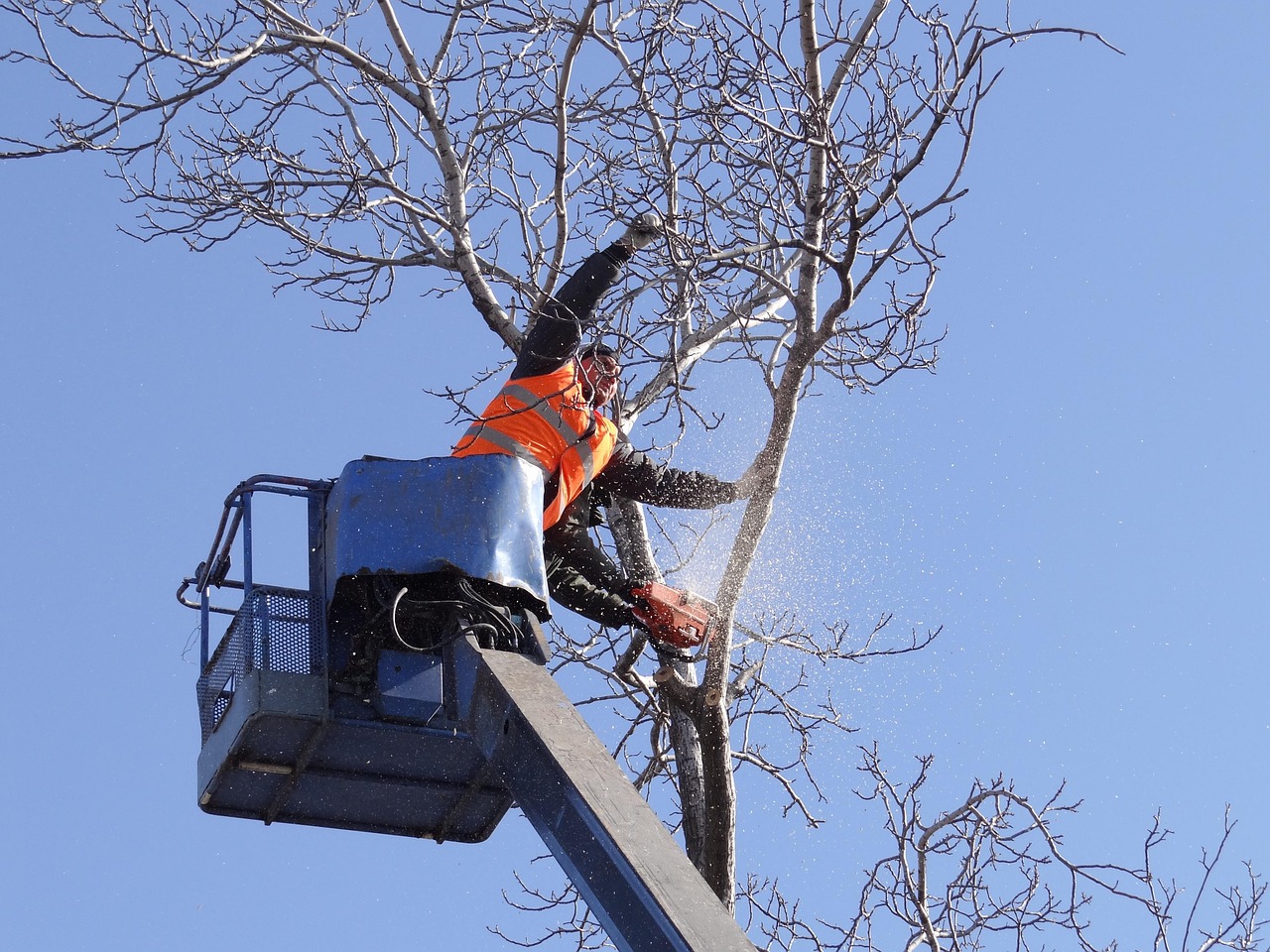
The U.S. Bureau of Labor Statistics describes elevator and escalator installers and repairers as workers who install, maintain and fix elevators, escalators, moving walkways and other lifts. It also notes that maintenance workers troubleshoot brakes, motors, switches and control systems, perform preventive maintenance and keep service records. That description is a useful starting point, but building teams still need a more practical checklist when reviewing a service agreement.
What a lift maintenance visit should cover
A maintenance visit should not be a quick ride in the car followed by a signature. The exact scope depends on equipment type, age, usage level, local code and the maintenance control program. In general, a credible visit combines visual inspection, operational testing, adjustment, cleaning, lubrication where applicable and written documentation.
Mechanical and electrical checks
Technicians should evaluate the components that allow the unit to move, stop and level correctly. For traction elevators, that may include door operators, brakes, controllers, drive systems, ropes or belts, sheaves, governors, buffers and machine-room or machine-space conditions. For hydraulic elevators and platform lifts, the focus typically shifts to pumps, valves, cylinders, oil levels, seals, controller components, door locks and lift platform operation. Escalators and moving walks require attention to steps or pallets, comb plates, skirt panels, handrails, chains, brakes and obstruction devices.
Electrical checks should cover control panels, disconnects, wiring condition, relays, battery-backed devices where installed, communication equipment and any fault logs available from the controller. Modern units may store diagnostic information that helps identify intermittent faults before they develop into shutdowns.
Safety devices and passenger-facing items
Building users notice doors, leveling, ride quality, emergency communication and lighting long before they notice a controller cabinet. These items matter because they are the interface between the equipment and the public. A maintenance visit should confirm that door reopening devices respond correctly, landing and car doors close without unsafe impact, floor leveling is within the required tolerance, car lighting is functional, emergency communication works, signage is legible and the unit does not produce abnormal vibration, scraping, noise or odor.
For security and life-safety planning, teams should also verify that keys, access restrictions, machine-room housekeeping and emergency procedures are controlled. Elevator rooms and control spaces should not become storage areas, and access should be limited to authorized personnel.
Housekeeping, lubrication and operating conditions
Basic housekeeping problems can become safety and reliability problems. Dust, water, oil leakage, blocked ventilation, stored materials, damaged pit lighting or poor drainage can affect safe service. Lubrication should follow the manufacturer’s guidance rather than a generic schedule. Over-lubrication can attract debris, while under-lubrication can accelerate wear. The service record should show what was done, not only that the unit was visited.
The records and testing that make maintenance verifiable
Maintenance is easier to manage when it leaves a clear paper trail. State and local elevator programs commonly require records that can be reviewed by elevator personnel or the authority having jurisdiction. Washington State, for example, explains that maintenance control program records must be viewable on site in a format acceptable to the authority. New York City publishes requirements for current maintenance contracts with approved elevator agencies, while other jurisdictions publish their own inspection and periodic test schedules.
For broader inspection planning, safety teams can also review related resources in the Maintenance and Testing section.
| Record or item | What it should show | Why it matters |
|---|---|---|
| Maintenance control program | Planned tasks, procedures, intervals, examinations and tests for the specific equipment | It connects maintenance work to code, equipment condition and manufacturer guidance |
| Service log | Date, technician, unit identification, work performed, parts adjusted or replaced and unresolved defects | It creates accountability and supports trend analysis |
| Deficiency list | Open issues, severity, recommended action, shutdown status and closure date | It prevents repeat findings from being treated as routine notes |
| Periodic test reports | Results of required tests such as annual or five-year tests where applicable | It separates routine maintenance from formal code-required testing |
| Emergency operation records | Firefighters’ emergency operation checks, communication tests and related observations where required | It supports emergency planning and coordination with fire alarm systems |
| Repair or alteration documentation | Permits, inspection approvals, replaced components and updated drawings when required | It helps distinguish a maintenance task from regulated alteration work |
A weak record is often a sign of weak maintenance. Notes such as checked unit or performed service do not tell a manager whether doors were adjusted, oil leaks were addressed, brake condition was reviewed or recurring faults were investigated. A better record is specific enough that another qualified technician can understand the condition of the equipment months later.
How often should lifts be serviced
There is no single maintenance frequency that fits every building. A low-rise office elevator with moderate use does not have the same risk profile as a hospital elevator, transit escalator, warehouse material lift or accessibility platform lift in a damp exterior location. ASME-based maintenance programs commonly consider age, condition, inherent design quality, usage, environmental conditions, improved technology and manufacturer recommendations when setting maintenance intervals. See also: Access Control.
Periodic tests are different from routine service visits. In many ASME-based jurisdictions, Category 1 testing is associated with annual requirements, while Category 5 testing is associated with five-year requirements for certain elevator systems. Some hydraulic equipment may also have different periodic test requirements. Local rules can modify these intervals, so the authority having jurisdiction should be treated as the controlling source for a specific building.
| Planning factor | Why it changes the maintenance plan |
|---|---|
| Traffic level | High-cycle doors, brakes and controls wear faster in hospitals, hotels, apartments and public facilities |
| Equipment age | Older controllers, ropes, valves and door equipment may require closer observation and harder-to-source parts |
| Environment | Moisture, temperature swings, dust, chemicals or exterior exposure can accelerate corrosion and electrical faults |
| Equipment type | Hydraulic elevators, traction elevators, platform lifts and escalators have different failure modes |
| Defect history | Repeated entrapments, leveling problems or door faults justify more focused troubleshooting |
| Code and permit status | Required inspections, tests and certificates create deadlines that must be built into the maintenance calendar |
How to evaluate a lift maintenance provider
Price matters, but a low monthly fee is not useful if it excludes the labor, testing, documentation or response time needed to keep the unit compliant and available. A practical review should start with the service scope, then compare price.
- Confirm licensing and qualifications. The Bureau of Labor Statistics notes that most states require elevator and escalator installers and repairers to be licensed. Local rules should be checked before work begins.
- Ask whether the service plan is equipment-specific. A useful plan should reflect the actual unit, not a generic template copied across all buildings.
- Review what is included. Clarify routine maintenance, callback response, overtime, parts, testing support, recordkeeping, emergency communication checks and coordination with inspections.
- Check documentation quality. Sample service tickets should show specific tasks, findings and follow-up actions.
- Clarify shutdown authority. The provider should have a clear process when a defect affects safe operation.
- Ask how recurring issues are escalated. Repeated door faults, leveling complaints or controller errors should trigger root-cause review, not endless resets.
- Coordinate with fire and security systems. Elevator recall, emergency communication, access control and monitoring may involve multiple contractors, so responsibilities should be assigned before testing day.
- Confirm parts strategy. Older or proprietary systems can create long repair delays if parts availability is not discussed in advance.
Service agreements should also define response categories. An entrapment, a disabled accessible route, a recurring shutdown and a noisy door operator do not require the same response, but each should have a defined reporting and escalation path.
Warning signs that maintenance is not working
Building teams should not wait for a failed inspection to question a maintenance program. The following conditions suggest that the plan needs review:
- Frequent callbacks for the same door, leveling, vibration or shutdown problem.
- Service tickets that lack details about the work performed.
- Open deficiencies that remain unresolved across multiple visits.
- Expired certificates, missed periodic tests or unclear inspection responsibility.
- Emergency phones, alarms or communication devices that are not tested or cannot be verified.
- Machine rooms, pits or control spaces used for storage.
- Unusual noises, oil odor, water intrusion, damaged fixtures or inconsistent ride quality.
- No clear contact path for after-hours entrapments or shutdowns.
Not every warning sign means the lift is unsafe, but each one deserves a documented response. If a defect affects safe operation, the unit should be removed from service until a qualified party determines the corrective action required by the applicable rules.
Frequently asked questions
How often should a lift be maintained?
The right interval depends on equipment type, usage, age, environment, manufacturer guidance and local code. Many buildings use monthly or regularly scheduled service visits, but the maintenance control program and local authority requirements should determine the actual plan.
Is lift maintenance the same as an inspection?
No. Maintenance is the ongoing work of checking, adjusting, cleaning, lubricating and repairing equipment. An inspection is a formal review by a qualified inspector or authority-recognized party. Periodic testing is another separate activity that verifies specific safety functions at required intervals.
What records should a building owner keep?
Owners should keep the maintenance control program, service logs, deficiency reports, periodic test reports, inspection certificates, repair documentation and emergency operation records where applicable. These records should be organized by unit and available for review when required.
Who should perform lift maintenance?
Maintenance should be performed by qualified and properly licensed elevator or lift personnel as required by the jurisdiction. Because licensing rules differ, building teams should verify requirements with the local elevator authority before authorizing work.
What should happen after a recurring shutdown?
A recurring shutdown should trigger a documented root-cause review. The technician should identify whether the pattern is related to doors, controls, power quality, environmental conditions, worn components, user damage or an unresolved code issue. Repeated resets without a corrective plan are not a maintenance strategy.