SimpliSafe home security system planning guide for 2026

Start with the security problem, not the package name
A SimpliSafe home security system is best viewed as a modular DIY alarm platform: a base station, keypad, sensors, cameras and optional professional monitoring that can scale from a small apartment to a larger home. For planning, the main question is not whether a bundle includes enough devices. It is whether each door, window, hallway, camera view and emergency risk is covered in a practical way.
As of November 2026, SimpliSafe also offers higher-tier monitoring options that add outdoor live-agent intervention through Active Guard Outdoor Protection. That feature requires compatible cameras and a paid plan, so it should be planned before equipment is purchased. This guide explains how to map coverage, compare devices and monitoring plans, and understand the system’s limits. For broader layout thinking, see our site security planning resources.
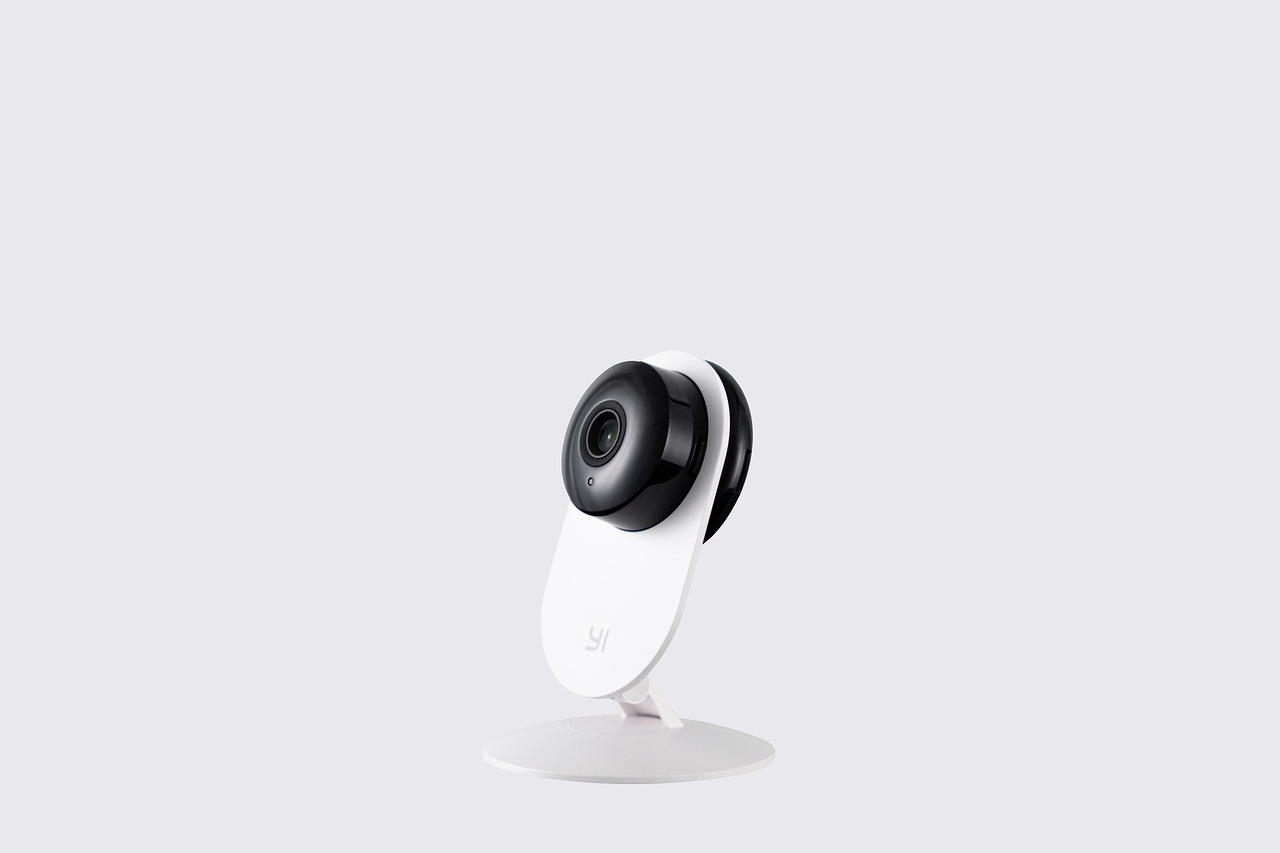
What SimpliSafe is designed to cover
SimpliSafe sits in the middle of the home security market. It is more structured than a camera-only setup, but less installation-heavy than a traditional hardwired alarm system. The core alarm function depends on a base station that receives signals from sensors and triggers alerts. Camera features add video awareness, while monitoring plans determine whether emergency dispatch, camera recording and live intervention are included.
For many households, that mix is useful because deployment can happen in stages. A renter may start with a base station, keypad, entry sensor and motion sensor. A homeowner may add smoke and carbon monoxide detection, water sensors, an outdoor camera, a video doorbell and an extra siren. The planning challenge is to avoid two common problems: leaving high-risk entry points uncovered, or buying cameras and sensors before deciding how alerts will be handled.
Official SimpliSafe support materials updated in June 2026 list pre-built packages ranging from smaller kits such as Foundation to larger packages such as Haven, Knox, Beacon and Lighthouse. Those packages are helpful reference points, but they should not replace a room-by-room coverage map. A named bundle may be convenient; a clear coverage plan is what makes the system useful.
Map the home before choosing devices
Before comparing packages, walk through the home and list the points that would matter during a break-in, fire, water leak or emergency. A security system can only respond to what it can detect. The device plan should follow the building layout, not the other way around.
| Area to review | Typical SimpliSafe device to consider | Planning note |
|---|---|---|
| Main exterior doors | Entry sensors, keypad, camera or doorbell | Prioritize doors used daily because they create both intrusion risk and false alarm risk if entry delays are poorly planned. |
| Ground-floor windows | Entry sensors or glassbreak sensors | Use sensors where access is realistic, especially windows hidden from street view or near fences and decks. |
| Main hallways and open living areas | Motion sensors | Motion sensors help cover movement after entry, but placement should account for pets, heat sources and normal household paths. |
| Bedrooms and sleeping areas | Smoke and CO detection, panic button where appropriate | Life-safety coverage matters even when burglary risk feels low. |
| Basement, laundry, utility areas | Water sensor, temperature sensor, smoke and CO detection | Environmental sensors can reduce damage from leaks, freezing risk and equipment failures. |
| Driveway, porch and side yard | Outdoor camera, video doorbell, lighting | Camera value depends on Wi-Fi strength, power, field of view and privacy settings. |
This mapping step gives the buyer a baseline. If a package has three entry sensors but the home has five realistic ground-level entry points, the plan is incomplete. If a package includes a camera but the intended location has weak Wi-Fi or no practical power route, the camera may not deliver the expected benefit.
How the main equipment choices fit together
The base station and keypad are the control foundation. Entry sensors detect opening doors or windows. Motion sensors detect movement in selected spaces. Glassbreak sensors can supplement window coverage where several panes are in one room. Smoke and CO detection, water sensors and temperature sensors extend the system beyond burglary into household safety. Panic buttons, key fobs, extra sirens and smart locks may add convenience or response options, depending on how the household uses the system.
Pre-built SimpliSafe kits combine these parts in different quantities. Smaller packages are generally better suited to apartments, condos and compact homes. Larger packages add more entry and motion coverage, life-safety devices and sirens. Outdoor-focused packages add Outdoor Camera Series 2 devices, which matter for households considering Active Guard Outdoor Protection.
The most practical way to choose equipment is to separate devices into three groups:
- Essential intrusion detection: base station, keypad, entry sensors and motion sensors.
- Life-safety and property protection: smoke and CO detection, water sensors, temperature sensors and panic buttons.
- Video and deterrence: indoor cameras, outdoor cameras, video doorbells, sirens, lights and two-way audio.
Do not assume video replaces sensors. Cameras can show what happened or help verify activity, but contact and motion sensors are still the basic alarm triggers. Likewise, sensors do not replace lighting, locks, door reinforcement and routine habits. The strongest plan usually combines physical security, detection and response.
Monitoring plans change what the system can do
SimpliSafe can be used with different levels of service, from unmonitored use to paid professional monitoring. The important difference is response. A self-managed system can notify the user, but it does not provide the same emergency dispatch path as a professional monitoring plan. A professional plan can add 24/7 emergency dispatch for police, fire or medical events, depending on the plan and alarm type.
As listed in SimpliSafe support materials updated June 29, 2026, the residential plan structure included Self-Monitoring with Camera Recordings at $9.99 per month, Standard at $22.99 per month, Core at $32.99 per month, Pro at $49.99 per month and Pro Plus at $79.99 per month. Buyers should verify current pricing before ordering because subscription features and costs can change.
| Plan type | Main role in planning | Important limitation |
|---|---|---|
| Unmonitored or app-controlled use | Basic local and app control for users who want minimal recurring cost. | No professional emergency dispatch and fewer service-backed features. |
| Self-Monitoring with Camera Recordings | Useful when camera history matters but professional dispatch is not required. | Does not provide professional monitoring. |
| Standard | Adds 24/7 emergency dispatch for core alarm events. | Does not include camera recordings under the listed 2026 plan description. |
| Core | Adds broader app, recording and monitoring features for many households. | Does not include Active Guard Outdoor Protection. |
| Pro | Adds overnight Active Guard Outdoor Protection from 8 p.m. to 6 a.m. local time. | Requires compatible outdoor camera setup and only covers the listed overnight window. |
| Pro Plus | Adds 24/7 Active Guard Outdoor Protection. | Highest listed residential monthly cost among the plans reviewed. |
For anyone comparing a SimpliSafe home security system, this is often the key distinction. The equipment is only part of the decision. The monitoring tier determines whether the system is mainly a local alarm, a user-managed alert system, a professionally monitored alarm, or a monitored platform with live outdoor intervention.
Active Guard and camera features need special planning
Active Guard Outdoor Protection is one of the more significant changes in SimpliSafe planning because it moves part of the response outside the home. According to SimpliSafe support pages updated in 2026, the service uses compatible Outdoor Camera Series 2 devices and allows monitoring agents to respond to potential outdoor threats through live view, two-way audio, siren and spotlight features when the system and plan conditions are met.
There are several planning limits. The service requires at least one Outdoor Camera Series 2. SimpliSafe support materials state that the service supports a maximum of three cameras, with at least one being an Outdoor Camera Series 2. The company also states that the Outdoor Camera Series 2 must be connected to the outdoor power cable for Active Guard enrollment. In practical terms, a household should check power availability, Wi-Fi strength and camera angle before assuming Active Guard will work well at a chosen location. See also: Access Control.
It is also important to distinguish outdoor intervention from indoor intruder intervention. SimpliSafe describes intruder intervention as an indoor event feature tied to certain plans and a Smart Alarm Indoor Camera, while Active Guard Outdoor Protection is designed around outdoor deterrence before entry. That distinction matters for privacy, device placement and expectations.
Camera planning should include privacy controls. The Federal Trade Commission advises consumers to secure internet-connected cameras by protecting the home router, using strong account security and reviewing device settings. SimpliSafe says users can manage privacy preferences in the mobile app, including camera behavior, motion settings and opt-in monitoring features. A practical rule is to place cameras so they cover your property without unnecessary views into bedrooms, bathrooms, neighbors’ private spaces or public areas that do not improve security.
Reliability, smart home fit and everyday limitations
Like any wireless security system, SimpliSafe depends on good placement and reliable communications. SimpliSafe states that its base station includes up to 24 hours of backup battery power. Its support information also says that, with a professional monitoring plan, the system can use a cellular network instead of Wi-Fi during certain connection issues. That is useful, but it does not remove every dependency. Cameras still need adequate Wi-Fi, power and correct placement to perform well.
Smart home compatibility is another planning factor. SimpliSafe support pages updated in June 2026 say the system integrates with Amazon Alexa, Google Home through Google Assistant and August Locks, while it does not integrate with Apple HomeKit at that time. Voice assistants can arm the system, but disarming by voice is restricted for security reasons. That is a reasonable safeguard, but Apple-centered households should compare alternatives if HomeKit integration is a central requirement.
False alarms also deserve attention. A good system is not just one that detects activity; it is one that can be used consistently. Place motion sensors away from heat sources, moving curtains and pet paths where possible. Set entry delays that match real household behavior. Label sensors clearly. Teach every regular user how to arm, disarm and respond to alarm texts or app notifications. If professional dispatch is enabled, understand cancellation rules and safe word procedures before the first alarm.
Who should consider it and who should compare alternatives
A SimpliSafe home security system is worth considering for households that want DIY installation, modular sensors, optional monitoring and a relatively straightforward app-based experience. It can be especially practical for renters, townhomes, single-family homes without hardwired alarm infrastructure, and owners who want to expand gradually.
It may be less suitable for users who need deep smart home automation, native Apple HomeKit support, fully hardwired commercial-style security, or custom integration with many third-party devices. It also may not be the right fit for properties where outdoor cameras cannot be powered, where Wi-Fi is weak in critical exterior areas, or where local alarm permitting requirements create added monitoring responsibilities.
The broader market context matters too. FBI 2025 national estimates reported a decline in burglary compared with 2024, but national trends do not determine risk for a specific home. Local layout, visibility, locks, lighting, household routines and emergency preparedness still matter. Fire and CO planning also should not be treated as secondary. NFPA research has repeatedly shown that working smoke alarms are associated with substantially lower fatality risk in reported home fires. A balanced plan protects against intrusion, fire, carbon monoxide, water damage and panic events rather than focusing only on doorbell footage.
A practical planning checklist before you buy
- Count every realistic ground-level entry point and decide where entry sensors are needed.
- Mark the main interior paths an intruder would likely cross and place motion sensors accordingly.
- Decide whether glassbreak sensors are useful for rooms with several accessible windows.
- Add smoke and CO detection according to manufacturer instructions and local code expectations.
- Consider water and temperature sensors in laundry rooms, basements, utility areas and second homes.
- Test Wi-Fi strength before assigning cameras to porches, garages, driveways or side yards.
- Confirm whether outdoor camera locations have power if Active Guard Outdoor Protection is part of the plan.
- Choose the monitoring tier based on response needs, not just monthly price.
- Review privacy settings before enabling indoor cameras, video verification or live intervention features.
- Train household members on keypad use, app alerts, alarm cancellation and emergency contacts.
Frequently asked questions
Is SimpliSafe a good choice for renters?
Often, yes. The system is designed for DIY setup and can be scaled down for apartments or rental homes. Renters should still check lease rules before installing cameras, sirens or anything that requires drilling, and they should avoid camera angles that capture neighbors’ private areas.
Do I need professional monitoring?
Not every user needs it, but professional monitoring changes the response model. Without it, the user is responsible for seeing alerts and deciding what to do. With a professional plan, eligible alarm events can be routed through monitoring and dispatch procedures. The right choice depends on travel habits, household availability, risk tolerance and budget.
Does Active Guard work with any SimpliSafe camera?
No. SimpliSafe support materials say Active Guard Outdoor Protection requires at least one Outdoor Camera Series 2, and the outdoor camera must be connected to the required power cable for enrollment. The service is tied to Pro and Pro Plus monitoring tiers for residential users.
Can SimpliSafe replace good locks and lighting?
No alarm system should be treated as a replacement for basic physical security. Strong door hardware, working locks, exterior lighting, clear sightlines and routine habits reduce opportunity. The alarm system adds detection, alerting and possible response after a condition occurs.
What should I verify before ordering?
Verify current equipment bundles, plan prices, local permit rules, camera power requirements, Wi-Fi coverage and smart home compatibility. Subscription details change over time, so use the latest official plan information before committing to a monitoring tier.