Fleet maintenance planning for safer, more reliable vehicle operations
a[data-rs-seo-link]{text-decoration:underline!important;color:#1a56db!important;cursor:pointer!important;}a[data-rs-seo-link]{text-decoration:underline!important;color:#1a56db!important;cursor:pointer!important;}
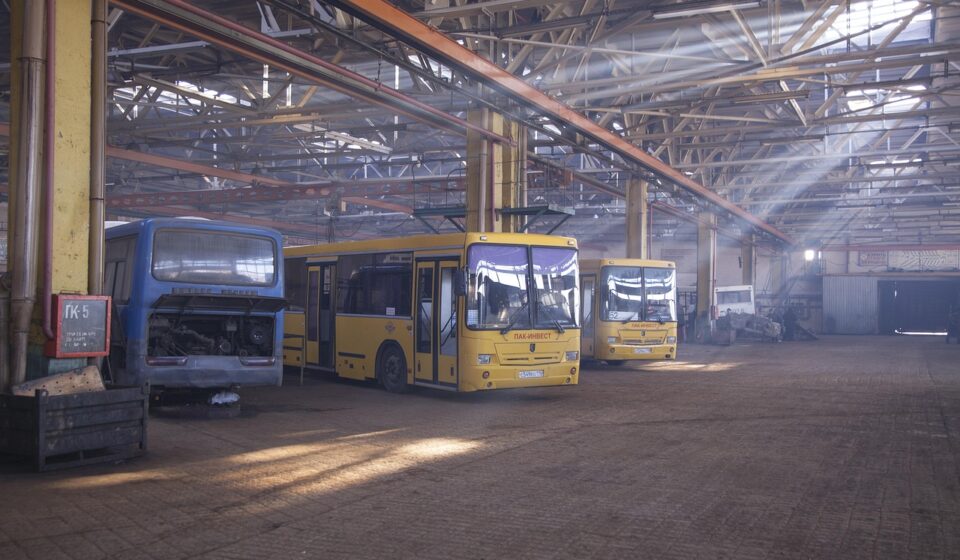
Fleet maintenance is the structured process of inspecting, servicing, repairing, documenting, and reviewing vehicles so they remain safe, compliant, and available for work. For organizations operating cars, vans, trucks, buses, trailers, or mixed vehicle assets, the objective is broader than preventing breakdowns. Maintenance is also a control for operational and safety risk.
U.S. safety agencies and industry inspection data show why this work matters. Transportation incidents remain a major source of workplace fatalities, and commercial vehicle inspections continue to identify out-of-service problems involving brakes, tires, lighting, and other basic systems. A practical maintenance program therefore needs clear responsibilities, scheduled preventive work, defect reporting, repair verification, and records that can withstand internal review or regulatory inspection.
For more safety-focused maintenance topics, see Costcola’s Maintenance and Testing section.
Why fleet maintenance belongs in the safety program
Fleet maintenance is often managed as an operations or finance function, but it should also be treated as a safety control. A vehicle with worn tires, degraded brakes, steering play, lighting defects, fluid leaks, or overdue preventive service can create risk for drivers, passengers, pedestrians, other road users, and maintenance staff.
The Bureau of Labor Statistics reported that transportation incidents accounted for 38.2 percent of all U.S. occupational fatalities in 2024. That figure does not mean every incident was caused by poor maintenance. It does show, however, that vehicle-related exposure is central to workplace safety. OSHA also identifies preventive maintenance and adherence to service schedules as useful leading indicators for preventing work-related vehicle crashes. In practice, maintenance performance should be reviewed before incidents occur, not only after a crash, roadside inspection, or breakdown.
Mixed fleets can make this risk harder to see. A service van, pickup, utility vehicle, yard truck, forklift, or trailer may not receive the same attention as a heavy commercial vehicle. Yet these assets often operate in dense traffic, on customer sites, at night, or under tight schedules. A consistent maintenance framework helps prevent smaller or lower-profile assets from drifting into informal, reactive repair habits.
What a defensible fleet maintenance program includes
A defensible fleet maintenance program does not have to be complicated, but it must be visible, repeatable, and documented. Strong programs usually combine manufacturer recommendations, regulatory duties, operating conditions, and actual defect history.
Asset inventory and maintenance classification
The starting point is a reliable asset list. Each vehicle should have a unique identifier, vehicle identification number, license or unit number, assigned location, fuel or power type, gross vehicle weight rating where relevant, key installed equipment, and current service status. Trailers, lifts, refrigeration units, emergency lighting, telematics hardware, and mounted tools should be included when they affect safety, compliance, or uptime.
Once the inventory is accurate, vehicles can be classified by risk and use. A high-mileage delivery van, passenger shuttle, heavy truck, and occasional-use pool vehicle should not automatically follow identical inspection intervals. Fleet managers should consider mileage, engine hours, duty cycle, terrain, climate, cargo, passenger exposure, and regulatory coverage.
Preventive maintenance intervals
Preventive maintenance should be scheduled before failure is expected. Common triggers include mileage, engine hours, calendar time, fuel consumed, duty cycles, or seasonal readiness. Manufacturer recommendations provide a baseline, but harsh use may justify shorter intervals. Stop-and-go delivery, extended idling, towing, heavy payloads, dusty sites, winter road treatment, and high ambient heat can all accelerate wear.
For U.S. interstate commercial motor carriers, FMCSA rules in 49 CFR Part 396 require systematic inspection, repair, and maintenance of commercial motor vehicles under their control. FMCSA guidance also recognizes that inspection and maintenance intervals are fleet specific and, in some cases, vehicle specific. This distinction matters. A program is stronger when intervals are justified by actual operating conditions rather than copied from a generic checklist.
Driver inspections and defect reporting
Drivers are often the first people to notice abnormal vibration, braking changes, tire damage, warning lights, steering issues, leaks, lighting failures, or load securement concerns. A maintenance program should make it easy for drivers to report defects and difficult for unresolved safety defects to disappear from view.
For regulated commercial motor vehicles, pre-trip and post-trip responsibilities may be governed by federal or state rules, including driver vehicle inspection report requirements in specific situations. For non-regulated fleets, the same principle still applies: drivers should know what to check, how to report it, when a vehicle must be removed from service, and who has authority to return it to use.
Priority systems that deserve close attention
Not every maintenance item carries the same safety consequence. Cosmetic defects and comfort issues still matter, but critical systems need stricter inspection, repair, and release controls.
| System | Why it matters | Common maintenance controls |
|---|---|---|
| Brakes | Brake defects remain a frequent out-of-service issue in commercial vehicle inspections. | Measure wear, check adjustment where applicable, inspect lines, test warning systems, and verify repairs before release. |
| Tires and wheels | Tire condition affects stopping distance, stability, fuel efficiency, and roadside failure risk. | Track tread depth, pressure, age, damage, mismatched tires, wheel fasteners, and alignment-related wear. |
| Steering and suspension | Loose or damaged components can affect control, handling, and load stability. | Inspect joints, bushings, shocks, springs, mounting points, and abnormal tire wear patterns. |
| Lighting and visibility | Lighting defects reduce vehicle visibility and can trigger roadside enforcement action. | Check lamps, reflectors, mirrors, cameras, wipers, washers, and windshield damage. |
| Safety equipment | Emergency equipment supports incident response and regulatory readiness. | Verify fire extinguishers, warning devices, seat belts, first aid supplies where required, and emergency exits for passenger vehicles. |
Commercial Vehicle Safety Alliance Roadcheck results are a useful reminder of where defects are commonly found. In the 2025 International Roadcheck results, brake systems and tires were among the leading vehicle out-of-service violation categories. That does not mean fleets should manage only those items, but it does support prioritizing brake and tire controls during routine inspections, seasonal campaigns, and pre-audit reviews.
Records turn maintenance activity into evidence
Maintenance work has limited value as a management control if it cannot be verified. Records help show that inspections occurred, defects were reviewed, repairs were completed, and vehicles were returned to service by authorized personnel. They also allow managers to identify repeat failures and weak points in the program.
A practical record set should include the vehicle asset file, preventive maintenance schedule, completed inspection forms, driver defect reports, repair orders, parts used, technician notes, roadside inspection reports where applicable, warranty work, recall completion, and release-to-service approval. Digital systems can simplify this process, but the quality of the workflow matters more than the software brand.
Good records should answer four questions quickly: See also: Access Control.
- What was inspected or repaired?
- Who performed or approved the work?
- When was it completed?
- Was the vehicle safe and authorized to return to service?
Records also support trend analysis. If the same vehicle repeatedly shows brake wear, tire damage, electrical faults, or fluid leaks, the issue may be operational rather than isolated. The root cause could involve route design, overloading, driver behavior, poor parts quality, harsh terrain, or an incorrect preventive maintenance interval.
How to move from reactive repairs to preventive control
A reactive maintenance culture waits until a driver complains, a vehicle fails roadside, or a customer delivery is missed. A preventive culture uses data and field feedback to act earlier. The shift usually starts with a few disciplined routines rather than a major program overhaul.
Use a risk-based service calendar
Build the calendar around safety-critical systems, regulatory requirements, manufacturer guidance, seasonal hazards, and vehicle use. Winter preparation may include tires, batteries, lighting, defrosters, wipers, washer fluid, coolant, and corrosion inspection. Summer preparation may focus on cooling systems, tire pressure management, air conditioning, battery stress, and fire risks from overheated components.
Define out-of-service criteria
Drivers, dispatchers, supervisors, and maintenance staff should share a common understanding of when a vehicle cannot be used. Examples may include brake warning lights, visible tire cord, serious fluid leaks, steering faults, inoperative required lights, unsecured cargo equipment, or safety restraint defects. For regulated vehicles, out-of-service criteria must align with applicable federal, state, and roadside inspection rules.
Close the loop after every defect
Defect reporting should not end with a form submission. Someone must review the report, decide whether the vehicle is safe to operate, assign repairs, document completion, and communicate the release decision. If drivers believe reports disappear without action, they may stop reporting minor symptoms until those symptoms become major failures.
Metrics that show whether fleet maintenance is working
Fleet maintenance metrics should measure more than repair spending. Cost matters, but safety and reliability indicators help managers see whether the program is controlling risk.
- Preventive maintenance compliance: the percentage of services completed on time by mileage, hours, or date.
- Open safety defects: the number and age of unresolved safety-related defects.
- Roadside or inspection violations: counts by system, location, vehicle type, and business unit.
- Repeat repairs: failures that return after recent service, which may indicate diagnosis, parts, or operating issues.
- Breakdowns per distance or operating hour: a practical reliability measure for high-use fleets.
- Vehicle downtime: days or hours unavailable because of maintenance, parts delays, or repair scheduling.
- Cost per mile or hour: useful when paired with age, utilization, and downtime data.
Metrics need context. A temporary rise in reported defects may be positive if it means drivers are finally reporting problems. Low maintenance spend may look efficient until it leads to downtime, compliance exposure, or preventable incidents. The best measure is not the cheapest program. It is the program that keeps vehicles safe, available, and documented at a sustainable cost.
Technology can help, but it does not replace accountability
Modern fleets may use telematics, electronic inspection forms, maintenance management software, tire pressure monitoring, fault-code alerts, camera systems, and automated service reminders. These tools can improve visibility and reduce missed work, especially across multiple locations.
Technology should support a defined maintenance process rather than become the process itself. A fault code still needs triage. A digital inspection still needs honest completion. A service reminder still needs scheduling capacity. A dashboard still needs someone accountable for acting on overdue work. The most useful systems connect driver feedback, maintenance scheduling, repair documentation, parts availability, and management review in one workflow.
Frequently asked questions
What is the difference between fleet maintenance and preventive maintenance?
Fleet maintenance is the overall system for keeping vehicles safe, compliant, and operational. Preventive maintenance is one part of that system, focused on scheduled service before expected failure. Fleet maintenance also includes inspections, repairs, records, defect reporting, recalls, training, parts control, and performance review.
How often should fleet vehicles be serviced?
There is no single interval that fits every fleet. Service frequency should be based on manufacturer guidance, mileage, engine hours, vehicle type, duty cycle, environment, regulatory requirements, and defect history. Vehicles used for towing, heavy loads, stop-and-go routes, harsh weather, or off-road work may need shorter intervals than lightly used vehicles.
Who should be responsible for reporting defects?
Drivers should report defects because they interact with vehicles daily, but responsibility should not stop there. Supervisors, dispatchers, maintenance technicians, and fleet managers all need defined roles for reviewing reports, removing unsafe vehicles from service, completing repairs, and documenting release decisions.
What records should a fleet keep?
At minimum, fleets should keep asset information, inspection records, preventive maintenance history, defect reports, repair orders, parts and labor details, recall completion, and return-to-service approvals. Regulated fleets may have additional recordkeeping requirements under federal, state, or industry-specific rules.
Why do brake and tire checks receive so much attention?
Brakes and tires directly affect stopping, stability, and vehicle control. They also appear frequently in commercial vehicle inspection findings. Regular measurement, inspection, and documentation help identify wear or damage before it becomes a roadside failure or safety event.
A safer fleet maintenance program starts with consistency
Fleet maintenance works best when it is treated as a repeatable safety management process, not a series of isolated repair decisions. The essentials are straightforward: know the assets, set service intervals that match real use, train drivers to report defects, act quickly on safety-critical issues, document repairs, and review trends. Organizations that make these steps routine are better positioned to reduce preventable failures, support compliance, control downtime, and protect the people who depend on their vehicles every day.