What to expect from a building maintenance company for safety and testing
Why safety-focused maintenance is different from routine repair
A reliable building maintenance company should help keep a facility safe, functional, documented, and ready for inspection. It should not simply respond after a problem becomes visible. For owners, facility managers, and safety teams, the practical question is what the contractor will inspect, test, record, and escalate on a recurring basis.
The answer depends on the building type, local code requirements, system age, occupancy, and risk profile. Even so, the core expectations are consistent: maintain critical systems, verify that safety equipment works, document findings, and coordinate qualified specialists when regulated systems require licensed service.
In a safety and security context, maintenance is part of risk control. Poorly maintained doors, lighting, alarms, HVAC equipment, walking surfaces, and roof access points can increase exposure to injuries, outages, failed inspections, and delayed emergency response. This article fits within Costcola’s Maintenance and Testing coverage and focuses on how to evaluate maintenance work from a safety and testing perspective.
Core services a safety-minded maintenance partner should cover
The service agreement should be tailored to the facility, but a professional maintenance program usually combines preventive work, corrective repairs, periodic testing, documentation, and vendor coordination. One important distinction is that not every task belongs to the same technician. General maintenance staff may inspect, clean, lubricate, adjust, and report issues, while fire protection, elevators, certain electrical work, and other regulated systems may require licensed or certified contractors.
Building exterior, roof areas, and walking surfaces
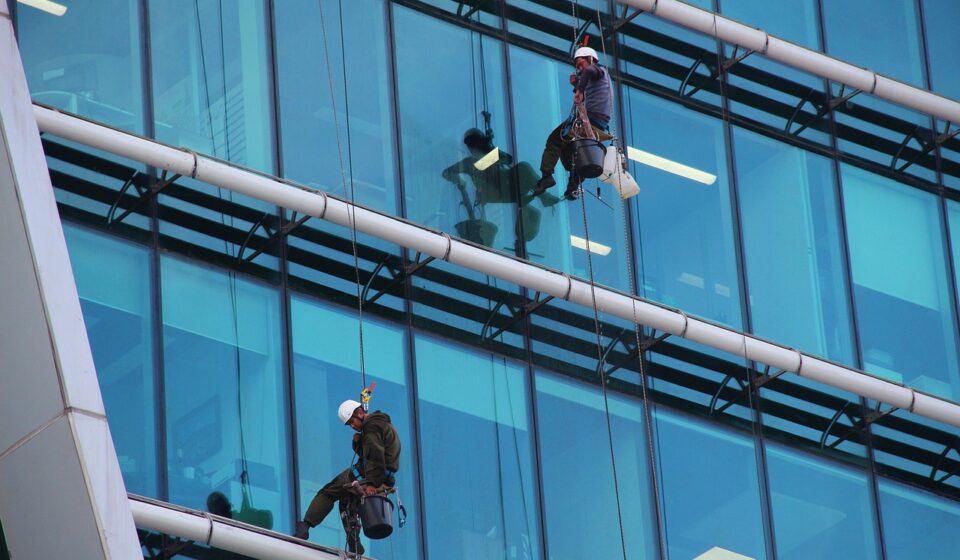
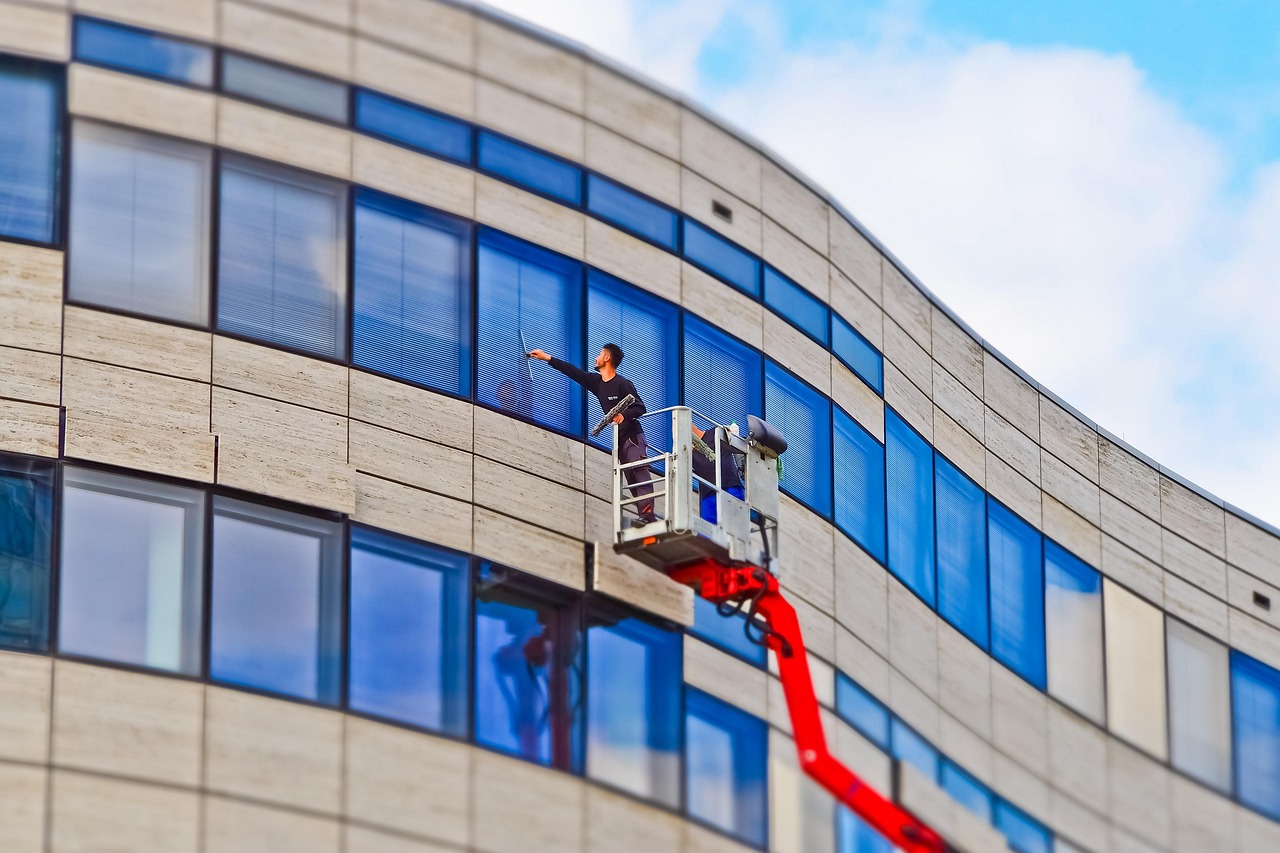
Exterior maintenance affects both security and life safety. Lighting failures can reduce visibility at entrances and parking areas. Damaged steps, uneven surfaces, missing handrails, and blocked walkways can create slip, trip, and fall hazards. Roof access points, ladders, guardrails, anchorages, and powered platforms need particular attention because maintenance work often places employees or contractors at height.
OSHA’s walking-working surfaces rules and its powered platforms standard for building maintenance show why access conditions should be treated as safety-critical rather than cosmetic. A maintenance provider should identify damaged walking surfaces, loose covers, missing guardrails, unsafe ladders, blocked exits, and roof access concerns. It should also document what was found and who is responsible for correction.
Fire and life-safety systems
Fire and life-safety equipment should never be handled as a basic checklist item. Sprinkler systems, standpipes, fire pumps, fire alarms, emergency lighting, exit signs, extinguishers, fire doors, and smoke control features all have different inspection and testing expectations. NFPA 25 is widely used for inspection, testing, and maintenance of water-based fire protection systems, while NFPA 72 covers fire alarm and signaling systems. Local jurisdictions may adopt different editions or add their own requirements.
A building maintenance company may coordinate these activities rather than perform all of them directly. The key issue is accountability. The facility should know when each system was last inspected, what deficiencies were found, whether impairments were reported, and whether corrective action was completed. If a contractor cannot explain how fire and life-safety findings are tracked, the maintenance program is incomplete.
Mechanical, electrical, plumbing, and HVAC equipment
Mechanical and electrical systems affect comfort, continuity, indoor air quality, and emergency readiness. HVAC filters, belts, coils, condensate drains, dampers, exhaust fans, boilers, pumps, panels, valves, and backup power interfaces should be included in a planned maintenance schedule. The U.S. Environmental Protection Agency has noted that good indoor air quality depends in part on diligent HVAC maintenance, while federal energy guidance also links ventilation upkeep with performance and equipment life.
For electrical and mechanical service, hazardous energy control is a major safety issue. OSHA’s lockout/tagout materials state that unexpected startup or release of stored energy during servicing can cause serious injury or death. OSHA has estimated that compliance with lockout/tagout requirements prevents about 120 fatalities and 50,000 injuries each year. A maintenance contractor should therefore have written procedures for de-energizing equipment, verifying isolation, and controlling stored energy before work begins.
Security hardware and access points
Security maintenance is often overlooked until a door fails, a camera loses coverage, or an access control reader stops working. A maintenance program should include door closers, hinges, electrified locks, panic hardware, gate operators, intercoms, cameras, lighting, intrusion devices, and visitor entry points. The goal is not only to repair broken equipment, but also to preserve the building’s intended security function.
A door that does not latch can defeat access control. A camera blocked by a new sign or vegetation may create a blind spot. A delayed repair to a parking lot light can affect both personal safety and incident investigation. Maintenance teams should use inspection routes that connect physical condition with security performance.
Emergency readiness and operational resilience
Emergency preparedness depends on equipment that works under stress. Generators, transfer switches, sump pumps, emergency lighting, communication systems, first-aid stations, spill kits, storm drains, and shutoff valves should be checked on a defined schedule. The maintenance company should also know the escalation contacts for after-hours emergencies, water intrusion, fire watch conditions, power loss, severe weather, and system impairments.
The inspection and testing records that matter
Good maintenance is visible in the records. A facility should not have to rely on memory, informal text messages, or a stack of unorganized invoices. Records should show what was inspected, when it was inspected, who performed the work, what standard or procedure was used, what deficiencies were found, what priority was assigned, and when corrective action was completed.
At minimum, a maintenance file should include:
- Preventive maintenance schedules by system and location.
- Inspection checklists for recurring routes and seasonal tasks.
- Testing reports for fire protection, alarms, emergency lighting, generators, and other critical systems.
- Deficiency logs with photos, severity levels, responsible parties, and closeout dates.
- Work orders that separate temporary fixes from permanent repairs.
- Equipment inventories, model numbers, serial numbers, warranties, and service history.
- Permits, certificates, impairment notices, and authority having jurisdiction correspondence where applicable.
- Contractor licenses, insurance certificates, training records, and safety plans.
The best records also support trend analysis. Repeated failures in one air handler, recurring door hardware problems at one entrance, or frequent nuisance alarms may indicate a design issue, misuse, aging equipment, or an underfunded capital need. This is where maintenance data becomes a management tool rather than a filing exercise.
How to evaluate a building maintenance company before signing
Choosing a maintenance contractor should be based on capability, documentation, communication, and risk fit, not just hourly rate. A low bid can become expensive if it excludes testing coordination, after-hours response, documentation, or deficiency follow-up. Before signing, ask for a written scope that separates included routine work, excluded specialty work, emergency response terms, reporting format, and escalation rules. See also: Access Control.
Useful evaluation questions include:
- Which systems are included in the preventive maintenance schedule, and which require separate specialty contractors?
- How are safety-related deficiencies prioritized and reported?
- Can the company provide sample inspection reports and work order closeout records?
- Who reviews fire, life-safety, HVAC, electrical, access control, and roof access findings?
- What lockout/tagout, fall protection, confined space, hot work, and contractor safety procedures are used?
- How are after-hours emergencies handled, and what response times are realistic?
- Does the company carry appropriate insurance and use licensed personnel where required?
- How does the contractor prevent deferred maintenance from being hidden in open work orders?
The answers should be specific. A strong provider can explain inspection frequencies, roles, documentation tools, and escalation paths. A weak provider may offer broad assurances but little evidence of process control.
A practical maintenance matrix for facility teams
The following matrix is not a substitute for local code, manufacturer instructions, lease obligations, or insurer requirements. It is a planning tool for deciding what a maintenance company should help monitor, document, or coordinate.
| Area | Typical maintenance focus | Safety or security value | Record to keep |
|---|---|---|---|
| Entrances and exits | Doors, closers, panic hardware, locks, ramps, mats, exterior lighting | Supports egress, access control, and slip prevention | Door and lighting inspection log |
| Fire protection | Sprinklers, valves, fire pumps, extinguishers, fire doors | Supports fire response and code compliance | Inspection, testing, and deficiency reports |
| Fire alarm and notification | Panels, initiating devices, notification appliances, monitoring signals | Supports early warning and emergency response | Alarm test reports and impairment records |
| HVAC and ventilation | Filters, coils, belts, dampers, exhaust, condensate, controls | Supports indoor air quality, comfort, and equipment reliability | Preventive maintenance checklist and service history |
| Electrical and mechanical rooms | Panels, disconnects, pumps, motors, housekeeping, labels | Reduces shock, fire, outage, and access risks | Work orders, energy control procedures, photos |
| Roof and elevated access | Hatches, ladders, guardrails, anchors, drains, walking paths | Supports fall prevention and water intrusion control | Roof access inspection log |
| Security systems | Cameras, readers, locks, gates, intercoms, lighting | Maintains intended access and surveillance coverage | Device test log and repair tickets |
Common gaps that create avoidable risk
Many maintenance failures are not caused by one missed repair. They often come from gaps in responsibility, documentation, and follow-through. One common gap is unclear ownership. A general maintenance contractor may notice a sprinkler deficiency but assume the fire protection vendor will handle it, while the fire vendor assumes the owner will approve the repair. Without a deficiency owner and due date, the issue stays open.
Another gap is treating inspections as pass-or-fail events. A test report may show that equipment operated on the test date, but it may also list aging parts, access problems, missing labels, or recommended repairs. These notes can be more useful than the pass result because they identify future failure points.
A third gap is poor coordination between safety and security. Adding a security lock without verifying egress requirements can create a life-safety conflict. Disabling a door alarm because it creates nuisance alerts can weaken security. Blocking a fire lane during repairs can slow emergency access. A competent maintenance company should recognize when a repair affects more than one system.
Finally, many facilities underfund documentation. If reports are scattered across email, paper binders, vendor portals, and individual phones, management cannot easily prove compliance or identify trends. The maintenance contract should specify where records are stored, how long they are retained, and who reviews unresolved deficiencies.
What a strong maintenance program looks like in practice
A strong program has four characteristics. First, it is risk-based. Critical systems, high-traffic areas, emergency equipment, and known problem locations receive more attention than low-risk assets. Second, it is scheduled, so preventive tasks do not depend on whether someone remembers them. Third, it is documented. Findings, photos, tests, and repairs are captured in a format that can be reviewed later. Fourth, it is escalated. Serious deficiencies move quickly to decision-makers with authority to approve repair or replacement.
For facility leaders, the useful mindset is simple: maintenance is a safety control. The right building maintenance company helps identify hazards before they become incidents, confirms that protective systems still work, and keeps records organized enough to support audits, insurance reviews, tenant questions, and emergency planning.
Frequently asked questions
What should be included in a building maintenance company contract?
The contract should define included systems, preventive maintenance tasks, inspection frequency, emergency response, documentation requirements, exclusions, pricing structure, and responsibility for specialty vendors. It should also explain how deficiencies are prioritized, approved, and closed.
Can one maintenance company handle all safety testing?
Usually not. A general maintenance company can coordinate many tasks, but regulated systems such as fire alarms, sprinkler systems, elevators, boilers, and certain electrical work may require licensed or certified specialists. The facility should verify local requirements before assigning work.
How often should building maintenance inspections happen?
Frequency depends on the system, occupancy, manufacturer instructions, local code, insurer expectations, and operating risk. Some items may be checked daily or weekly by staff, while specialty systems may have monthly, quarterly, semiannual, annual, or multi-year testing intervals.
What is the difference between inspection, testing, and maintenance?
Inspection is a visual or condition-based review. Testing verifies whether equipment performs as intended. Maintenance includes cleaning, adjustment, repair, replacement, lubrication, calibration, or other work needed to keep equipment functional. A complete program uses all three.
Why does documentation matter so much?
Documentation proves what was checked, what was found, and what was corrected. It also helps identify recurring failures, support budget requests, respond to audits, and reduce confusion when multiple vendors or departments share responsibility for building safety.