Car repair and maintenance checklist for tires, brakes, fluids and recalls
a[data-rs-seo-link]{text-decoration:underline!important;color:#1a56db!important;cursor:pointer!important;}a[data-rs-seo-link]{text-decoration:underline!important;color:#1a56db!important;cursor:pointer!important;}
What this car repair and maintenance checklist covers
Car repair and maintenance works best as a regular safety routine, not only as a reaction to a breakdown. The aim is practical: keep tires, brakes, fluids, lights, steering, visibility systems and safety recalls under control before a small fault becomes a road hazard or an expensive repair order.
This checklist focuses on items drivers can inspect regularly, warning signs that should be prioritized, and questions to ask before approving work. It is written for everyday vehicle owners, families, commuters and small-business drivers who need a clear maintenance process. For related safety inspection topics, visit Costcola’s Maintenance and Testing section.
Why safety-first maintenance matters in 2026
Repair decisions are more complex than they were a decade ago. Vehicles now combine mechanical parts with software, sensors, cameras, tire-pressure monitoring, electronic parking brakes and driver-assistance systems. A worn tire or leaking fluid is still a physical problem, but many modern repairs may also require diagnosis, calibration or confirmation that warning lights have cleared for the right reason.
Cost pressure is another reason to plan rather than wait. In the U.S. Bureau of Labor Statistics Consumer Price Index data for August 2026, motor vehicle maintenance and repair prices were 5.2% higher than a year earlier. Within that category, maintenance and servicing were up 7.9%, while motor vehicle repair was up 2.6%. AAA’s 2025 Your Driving Costs study estimated maintenance, repair and tires at 11.04 cents per mile for a new vehicle, based on routine maintenance, wear-and-tear repairs, tires and related coverage assumptions over five years and 75,000 miles.
Those figures do not make every shop recommendation urgent. They do show why delayed diagnosis can narrow your options. A $40 wiper-blade replacement, a slow tire leak or a cooling-system warning is usually easier to manage early than after visibility loss, a roadside stop or engine damage.
| Area | Safety reason to track it | Practical maintenance action |
|---|---|---|
| Tires | Traction, stopping distance and blowout risk | Check pressure and tread monthly and before long trips |
| Brakes | Stopping control and warning response | Investigate grinding, vibration, pulling or a soft pedal promptly |
| Fluids | Engine, cooling, steering and braking reliability | Check levels during oil service and look for leaks between services |
| Lights and glass | Visibility and being seen by other drivers | Test exterior lights and replace damaged wipers or cracked lamps |
| Recalls | Known safety defects | Check by VIN or license plate at least twice a year |
Start with the factory schedule, not a generic upsell
The most reliable maintenance plan starts with the owner’s manual or the manufacturer’s service schedule for your exact model, engine, drivetrain and use pattern. The Federal Trade Commission advises drivers to compare repair-shop maintenance schedules with the manufacturer’s recommendations and ask why any added service is needed. That matters because a service package may be appropriate for one vehicle and unnecessary for another.
Factory schedules usually separate normal service from severe service. Severe use may include frequent short trips, repeated stop-and-go driving, towing, dusty conditions, mountainous routes, extreme heat or extreme cold. If your driving fits those conditions, shorter intervals for oil, filters, transmission fluid or cooling-system checks may be justified. If not, ask the shop to connect the recommendation to your manual, mileage, inspection results or diagnostic codes.
Keep a maintenance file
A basic repair file supports better decisions and can help protect resale value. Keep receipts, mileage, dates, part numbers, fluid specifications, diagnostic reports, alignment printouts, recall repair confirmations and warranty details. Digital photos of tire wear, leaks or dashboard messages are useful because intermittent problems may disappear before a technician sees the vehicle.
Use the right fluids and parts
The Environmental Protection Agency recommends regular tune-ups, the manufacturer’s maintenance schedule and the recommended motor oil as part of efficient vehicle operation. That advice is not only about emissions or fuel economy. Incorrect oil viscosity, wrong coolant chemistry or incompatible brake fluid can create reliability problems, especially in newer vehicles with tighter tolerances and electronic monitoring.
Monthly checks most drivers can do
A monthly inspection will not replace professional service, but it can catch visible problems early. Pick a consistent time, such as the first weekend of the month, and check the vehicle while it is parked on a level surface. For tire pressure, NHTSA guidance says to check when tires are cold, meaning the vehicle has not been driven for at least three hours. The correct pressure is on the driver’s doorjamb label or in the owner’s manual, not the maximum pressure printed on the tire sidewall.
NHTSA reported 511 deaths in tire-related crashes in 2024 and says poor tire maintenance can contribute to flats, blowouts and tread separation. For most drivers, tire checks are among the highest-value maintenance habits to build.
- Tire pressure: Check all tires, including the spare if equipped. Do not rely only on the tire-pressure warning light, because it may illuminate only after significant underinflation.
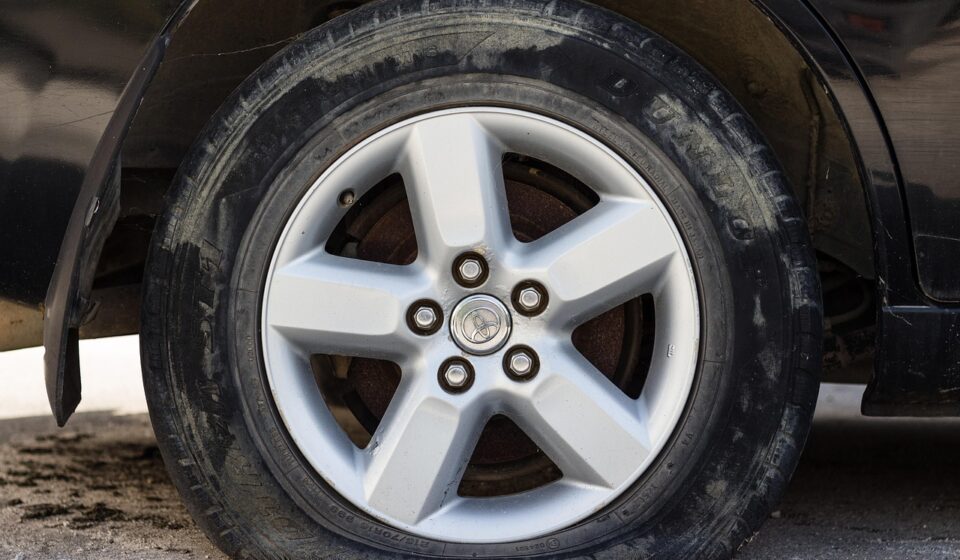
- Tread depth and wear: Look for uneven shoulders, exposed cords, bulges, punctures, cracks or vibration at speed. Uneven wear may point to alignment, suspension or inflation problems.
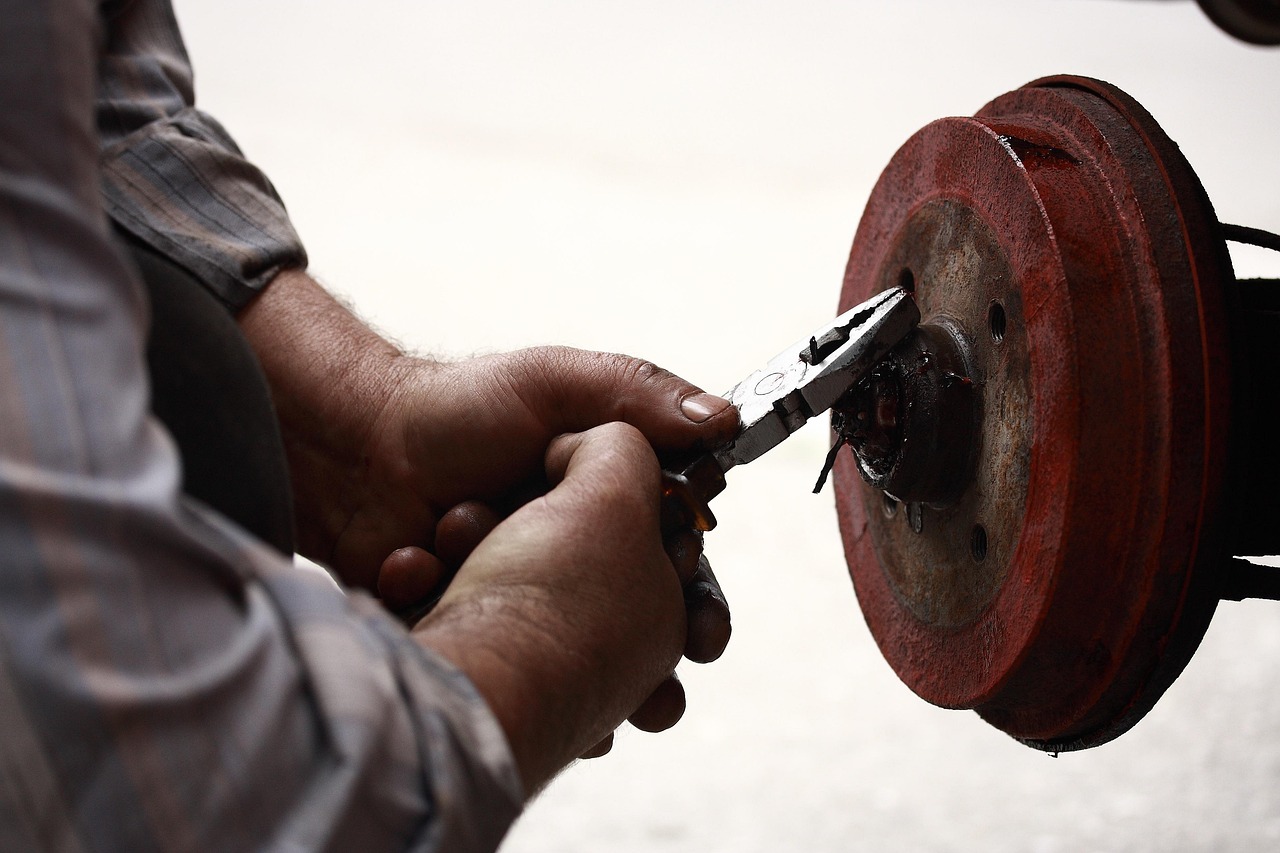
- Brake feel: Notice grinding, squealing, pulsation, longer stopping distance, pulling or a pedal that feels lower than usual.
- Lights: Test headlights, brake lights, turn signals, hazard lights, reverse lights and license-plate lights. Ask another person to help or use reflections in a garage door.
- Wipers and washer fluid: Replace blades that chatter, streak or leave blind spots. Keep washer fluid filled, especially before winter or long trips.
- Fluid levels and leaks: Check engine oil if your vehicle has a dipstick, and look under the vehicle for fresh spots. Coolant, brake fluid and power steering fluid should be handled according to the manual and safety warnings.
- Battery and cables: Look for corrosion, loose terminals or slow cranking. Battery problems often appear during temperature swings.
Warning signs that should move repair to the front of the list
Some issues can wait until the next scheduled service. Others should be treated as repair-now concerns. A red dashboard warning, brake problem, steering change, overheating condition, fuel smell or tire damage can affect vehicle control. When in doubt, stop driving and arrange safe transport or towing rather than trying to nurse the vehicle to a shop.
- Brake warning light, grinding or soft pedal: Brakes are not a wait-and-see system. Noise, vibration or a fluid warning deserves prompt inspection.
- Overheating or coolant loss: Continuing to drive an overheating engine can turn a minor leak into major engine damage.
- Oil pressure warning: This is different from an oil-change reminder. Low oil pressure can cause rapid engine failure.
- Steering pull, clunking or loose feel: Steering and suspension issues can affect lane control and tire wear.
- Tire bulge, exposed cord or repeated pressure loss: A damaged tire can fail suddenly. Replace or repair it according to tire-industry safety rules.
- Fuel, exhaust or burning smell: Strong odors can indicate leaks, overheating components or exhaust intrusion.
- Driver-assistance system errors: Camera, radar, lane-keeping, braking-assist or parking-sensor warnings should be diagnosed, especially after windshield, bumper, suspension, tire or collision repair.
Electric and hybrid vehicles add another boundary. High-voltage systems should not be inspected or repaired by untrained owners. Basic tire, wiper and cabin-filter care may be straightforward, but orange high-voltage cables, battery packs and related cooling systems require qualified service procedures.
How to approve repair work without losing control
Good car repair and maintenance is partly technical and partly a consumer decision. Before authorizing work, ask how the shop prices labor, whether there is a diagnostic charge, whether the estimate is written, and what warranty applies to parts and labor. The FTC notes that some shops use flat-rate labor based on published time estimates, while others charge based on actual technician time. Neither model is automatically wrong, but you should know which one applies before work begins. See also: Access Control.
For expensive or complicated repairs, consider a second opinion if the vehicle is still drivable and the recommendation is not tied to an urgent safety risk. A diagnostic-only shop may also be useful when you want an independent assessment before choosing where to complete repairs.
- Ask for the complaint, cause and correction to be written on the invoice.
- Request old parts back if state law and shop policy allow it, particularly for major repairs.
- Ask whether aftermarket, rebuilt, remanufactured or original-equipment parts are being used.
- Confirm whether the estimate includes taxes, shop supplies, environmental fees and programming or calibration charges.
- Get warranty terms in writing, including mileage limits, time limits and where warranty repair must be performed.
- Do not approve vague line items such as complete tune-up without knowing the exact services and parts included.
Service contracts and extended coverage require extra attention. Some contracts require prior authorization, specific maintenance records, deductibles or approved repair locations. Others exclude wear items such as brakes, tires, batteries or wipers. Read the contract before assuming a repair will be paid directly to the shop.
Modern repairs need testing, recalls and documentation
A repair is not complete just because a part was replaced. The vehicle should be tested in a way that matches the original complaint. That may mean a road test, leak check, scan-tool confirmation, torque verification, battery and charging test, alignment printout, brake inspection or sensor calibration. Ask what post-repair checks were performed and whether any warning lights or diagnostic codes remain.
Recalls should be part of the same routine. NHTSA says a safety recall is issued when a manufacturer or the agency determines that a vehicle, equipment item, car seat or tire creates an unreasonable safety risk or fails to meet minimum safety standards. Manufacturers are required to provide a remedy such as repair, replacement, refund or, in rare cases, repurchase. NHTSA advises owners to register vehicles and equipment and check for recalls twice a year. Recall checks are especially important after buying a used car, moving to a new address or changing license plates.
Independent repair access is also becoming a practical maintenance issue. In an Auto Care Association survey conducted February 1-14, 2024, 84% of independent repair-shop respondents identified vehicle repair and maintenance data access as extremely or very important to their business. The same research reported that 63% experienced difficulty making routine repairs on a daily or weekly basis. For drivers, the takeaway is straightforward: before approving advanced diagnostics or electronic-system repairs, ask whether the shop has the tools, service information and calibration capability for your specific vehicle.
Frequently asked questions
How often should I check tire pressure?
Check tire pressure at least monthly and before long road trips. Use the pressure listed on the driver’s doorjamb label or in the owner’s manual. Measure pressure when tires are cold for the most accurate reading.
Should I follow every maintenance item a shop recommends?
No. Compare recommendations with the manufacturer’s schedule, your mileage, your driving conditions and the inspection evidence. If a service is outside the factory schedule, ask the shop to explain why it is needed now.
What records should I keep after car repair and maintenance?
Keep invoices, mileage, dates, fluid specifications, part numbers, diagnostic reports, warranty terms, alignment reports, recall confirmations and photos of visible issues. Good records help with warranty claims, resale and future diagnosis.
Can postponing maintenance affect a warranty?
It can if a failure is linked to neglected required maintenance or if a service contract requires proof of scheduled care. Follow the owner’s manual and keep written records rather than relying on memory.
Is DIY maintenance enough?
DIY checks are useful for tires, lights, wipers, washer fluid and visible leaks. Brakes, steering, suspension, overheating, electrical faults, safety-system warnings and high-voltage hybrid or EV components should be handled by qualified technicians.